


+86-0519-85282061
Current path: Home > Products&Service > Standard Product > Embodied intelligent humanoid robot
The force sensors used in humanoid robots are mainly torque sensors, which are applied to joint parts and are primarily categorized into six-dimensional and single-dimensional force sensors. Mentechs Intelligent is equipped with the R&D and design capabilities for torque sensors. Currently, it has successfully developed a new generation of torque sensors based on MEMS technology, with a force control accuracy of up to one-thousandth. This sensor helps enhance the safety, sensitivity, and compliance of robot joints, providing support for improving the competitiveness of related products.
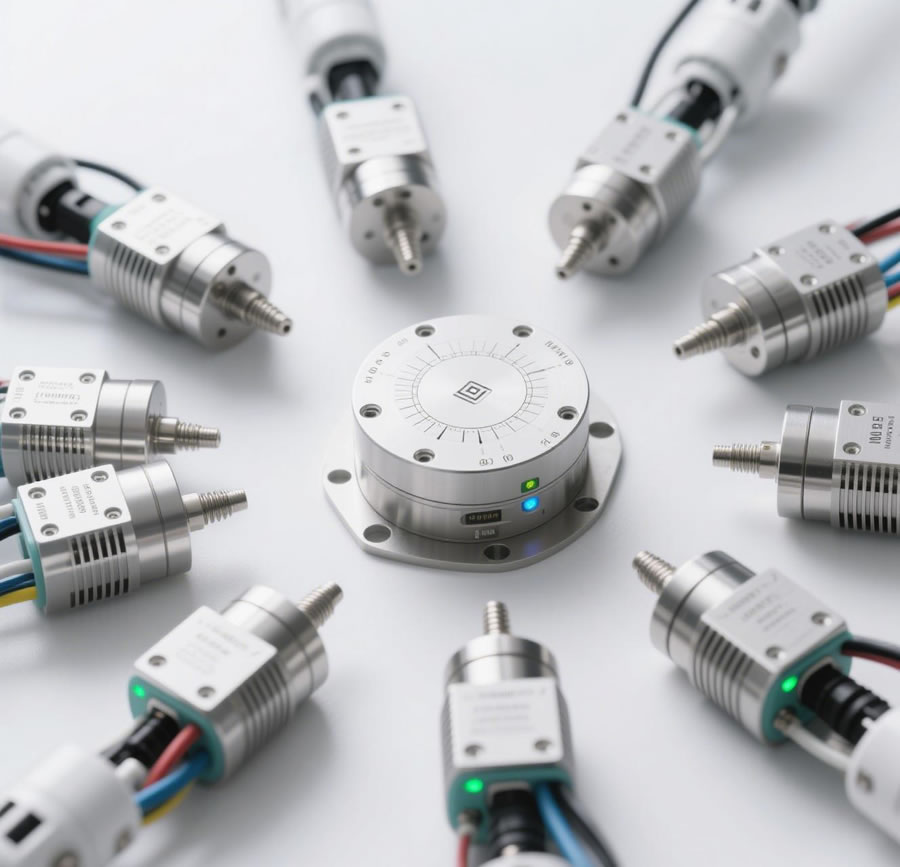
A six-dimensional force sensor is a type of sensor capable of simultaneously measuring three force components (typically Fx, Fy, Fz) and three torque components (typically Mx, My, Mz). Its working principle is based on the deformation of an elastic body when subjected to force. Sensitive elements such as strain gauges convert this deformation into electrical signals, which are then processed by signal processing circuits to obtain the values of each force and torque component.
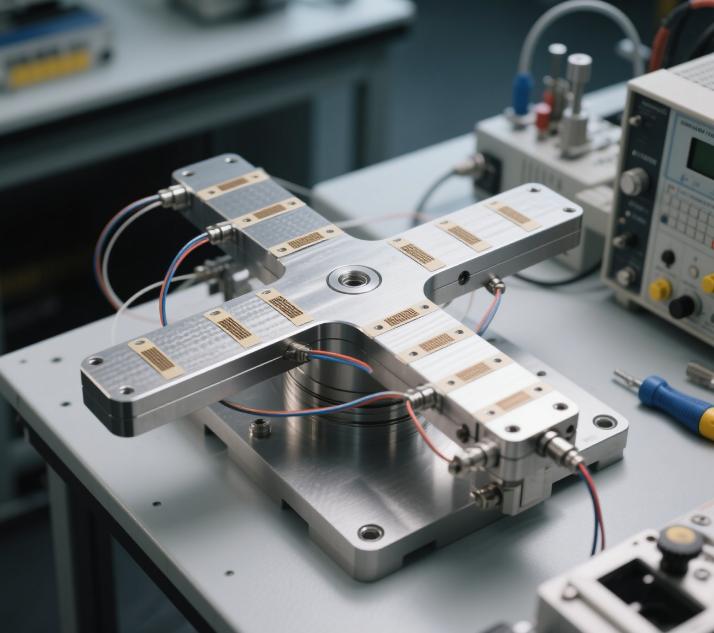
Mounting a six-dimensional force sensor on a robot's end effector allows the robot to perceive interaction forces with the external environment, enabling more precise operations. For instance, in robotic assembly tasks, by sensing changes in force and torque, the robot can better adjust its movements to avoid damaging parts; in human-robot collaboration scenarios, the six-dimensional force sensor can monitor human-robot interaction forces in real time to ensure personnel safety.
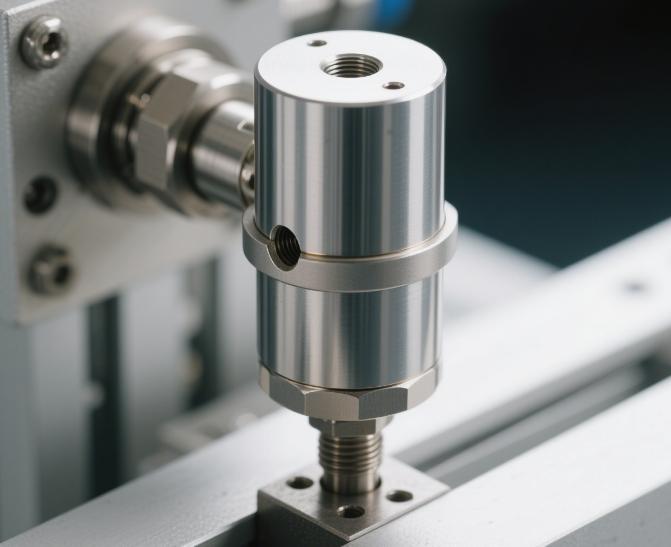
A single-dimensional force sensor can only measure force in one direction. Its working principle is similar to that of a six-dimensional force sensor, which is also based on the deformation of an elastic body and the conversion of electrical signals by strain gauges. However, the design and structure of a single-dimensional force sensor are simpler, as it is only designed to measure force in one specific direction.
Single-dimensional force sensors are widely used in humanoid robots. When installed on the feet, they can measure the vertical force acting on the ground, helping the robot adjust its posture and steps, ensuring stable walking, and coping with complex terrains.
Mounting such sensors at the end of the arm enables the measurement of gripping force, facilitating the adjustment of force intensity, improving the success rate and reliability of gripping, and aiding in precise operations.
When applied at the joints, they can measure torque, assisting in controlling movements and output force, preventing damage caused by overload, optimizing driving strategies, and extending service life.